



Immune support supplements for horses provide targeted nutritional support for normal immune function and natural immune defenses. During intensive training, transportation, stressful periods, and recovery from illness, horses may experience changes in their nutritional requirements. Explore our carefully selected range of supplements containing omega-3 fatty acids, beta-glucans, antioxidants, vitamins, and trace elements. These nutrients support normal immune function, cellular protection, and your horse’s overall health and physical condition.


Showing all 3 results
Immune support supplements for horses
A healthy immune system is essential for the health and well-being of horses. It protects the body against pathogens and plays an important role in recognizing and regulating inflammatory processes.
Natural immune function is influenced by several factors, including nutrition, age, training intensity, stress, housing conditions, and overall health. Performance horses, in particular, may experience increased physiological demands during intensive training, competitions, and long-distance transportation.
A balanced diet provides the energy, protein, vitamins, and minerals required for normal immune function. When the diet does not fully meet a horse’s individual nutritional requirements, immune support supplements for horses can provide targeted nutritional support.
Which immune support supplement is right for your horse?
Our selection includes two products that provide nutritional support through different mechanisms.
Supporting normal immune function
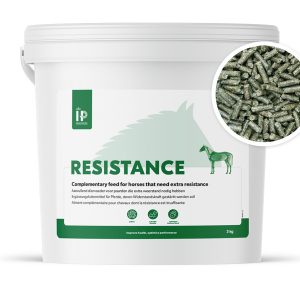
HP Resistance (formerly Bonpard Resistance)
A comprehensive complementary feed specifically developed to support natural immune defenses and normal immune function in horses.
HP Resistance contains MacroGard®, a source of beta-1,3/1,6-glucans derived from yeast cell walls, and DHA Gold®, which provides the omega-3 fatty acid DHA from algae. Its formulation also contains vitamin E, vitamin C, B vitamins, and several minerals and trace elements, including zinc, copper, and selenium.
Beta-glucans are particularly interesting because of their interactions with the innate immune system. DHA is involved in cell membrane structure and the regulation of inflammatory processes. Vitamins and trace elements contribute to normal immune function and antioxidant protection.
HP Resistance is particularly suitable for horses that may benefit from additional nutritional support during intensive training, stressful periods, or recovery from illness. In horses with recurring skin problems, it may also form part of a broader management approach focusing on nutrition, skin health, and balanced immune function.
Omega-3 fatty acids and antioxidant support
A liquid complementary feed containing omega-3 fatty acids (EPA and DHA), vitamin E, L-arginine, L-carnitine, and copper.
Omega-3 fatty acids are important components of cell membranes and participate in various physiological processes, including the regulation of inflammatory responses. Vitamin E helps protect cell membranes against oxidative damage, while copper is involved in several antioxidant enzymes.
Twydil Omegadil has been developed primarily for performance horses undergoing intensive training or prolonged exercise, including endurance competitions. Its formulation focuses on supporting normal cell membrane function, antioxidant status, and physiological adaptations to exercise.
For horses requiring targeted nutritional support for their immune system, HP Resistance is the more specific choice. Omegadil is particularly interesting when additional omega-3 fatty acids and antioxidant support are desired.
Which nutrients support immune function in horses?
Normal immune function depends on several nutrients, each contributing through different physiological mechanisms.
Vitamins and antioxidants
Vitamin E helps protect cell membranes against oxidative damage and plays an important role in normal immune function. Vitamin C also contributes to antioxidant protection. Healthy horses can synthesize their own vitamin C, so routine supplementation is generally unnecessary.
Zinc, copper, and selenium
These trace elements are involved in enzymatic processes, immune cell function, and antioxidant defense mechanisms. Both deficiencies and excessive intake can have negative consequences. Selenium requires particular attention because of its relatively narrow safety margin.
Omega-3 fatty acids
Omega-3 fatty acids, including EPA and DHA, are incorporated into cell membranes and participate in the regulation of inflammatory processes. Their nutritional role is important, although additional supplementation does not necessarily improve resistance to infectious diseases.
Beta-glucans
Beta-1,3/1,6-glucans derived from yeast cell walls can interact with receptors of the innate immune system. These properties make them interesting for nutritional support of immune processes. However, evidence that supplementation reduces the incidence of infectious diseases in horses remains limited.
The importance of nutrition, gut health, and management
A healthy immune system begins with adequate energy intake, high-quality protein, and a balanced supply of vitamins and minerals.
Gastrointestinal health also plays an important role. The intestinal tract represents a large interface between the body and its environment and contains a substantial amount of immune-associated tissue. A balanced intestinal microbiota and normal intestinal barrier function contribute to the regulation of immune responses.
Adequate rest, good stable ventilation, hygienic housing, and minimizing prolonged stress are equally important. Preventive healthcare, including appropriate vaccination programs and infectious disease prevention, remains essential.
Supplements are most useful when combined with appropriate nutrition and management rather than used as a substitute for these fundamental measures.
Advice from the equine veterinarian
As a veterinarian specializing in equine sports medicine, I recommend supporting your horse’s natural immune defenses primarily through a balanced diet, appropriate management, and sufficient recovery after exercise.
For horses undergoing intensive training, experiencing stressful periods, or recovering from illness, targeted nutritional support may be beneficial. HP Resistance is particularly interesting because it combines beta-glucans, DHA, vitamins, and trace elements.
When combining supplements, it is important to consider the existing vitamin and mineral intake, particularly the total selenium supply.
Horses experiencing recurrent infections, persistent skin problems, or unexplained health issues should undergo appropriate veterinary investigation. Nutritional supplements can complement a suitable management program but do not replace the diagnosis or treatment of underlying conditions.
