



Magnesium for horses is an essential mineral that plays an important role in normal muscle function, nerve conduction, and energy metabolism. Horses obtain magnesium primarily through forage and concentrate feed. When the daily diet does not provide sufficient magnesium, targeted supplementation may be beneficial. Learn about different forms of magnesium, including magnesium citrate and magnesium oxide, and discover when additional magnesium may be appropriate for your horse. With practical veterinary advice on magnesium for performance horses, nervous horses, and balanced mineral intake.
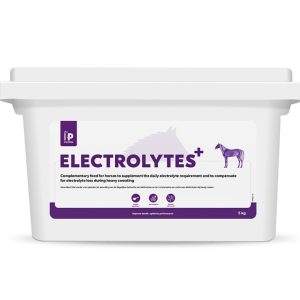
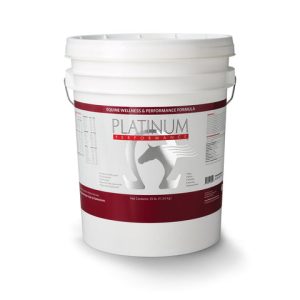
Showing all 2 results
Magnesium for horses
Magnesium is an essential mineral involved in hundreds of enzymatic processes in the horse’s body. It plays an important role in normal muscle function, nerve conduction, energy production, and maintaining healthy bones.
Horses obtain magnesium primarily through pasture, hay, haylage, and concentrate feed. The amount of magnesium supplied by the daily diet depends on the composition and nutritional quality of these feeds. In most cases, a balanced diet provides sufficient magnesium, although additional supplementation may be beneficial under certain circumstances.
Magnesium supplements for horses can help correct inadequate dietary magnesium intake and support the normal physiological functions of this essential mineral.
What does magnesium do for horses?
Magnesium performs several important functions in the horse’s body.
Muscle function and relaxation
Magnesium is involved in regulating muscle contraction and relaxation. It works alongside other minerals, including calcium, in processes that allow muscle cells to function normally.
Adequate magnesium intake is therefore important for both recreational and performance horses. When a genuine magnesium deficiency occurs, normal muscle function may be affected.
However, providing additional magnesium to a horse already receiving sufficient amounts does not automatically result in more relaxed muscles or improved athletic performance.
Nervous system and nerve conduction
Magnesium plays a role in transmitting nerve impulses and regulating the excitability of nerve cells.
For this reason, magnesium is frequently included in supplements marketed for tense, nervous, or highly reactive horses.
Although magnesium is essential for normal nervous system function, scientific evidence that additional magnesium produces a reliable calming effect in horses without magnesium deficiency remains limited.
Energy metabolism
Magnesium participates in numerous enzymatic reactions necessary for energy production and metabolism.
It is particularly important for processes involving adenosine triphosphate (ATP), the primary energy carrier within cells.
Magnesium therefore contributes to normal energy metabolism and muscle function, including during physical exercise.
Bone health
A substantial proportion of the magnesium in a horse’s body is stored in the skeleton. Together with calcium and phosphorus, magnesium contributes to maintaining normal bone structure.
A balanced supply of these minerals is important during growth, development, and throughout the horse’s life.
Which types of magnesium supplements are available for horses?
Magnesium is available in different chemical forms. The form used can influence its elemental magnesium content, solubility, and bioavailability.
Magnesium citrate
Magnesium citrate is an organic magnesium compound frequently used in nutritional supplements.
It has relatively good solubility and can be used to supplement magnesium intake when the existing diet does not provide sufficient amounts.
Magnesium oxide
Magnesium oxide is an inorganic magnesium compound with a high elemental magnesium content.
Because of its relatively high magnesium concentration, smaller quantities of the compound can supply a given amount of elemental magnesium. However, its solubility and bioavailability differ from those of other magnesium compounds.
Magnesium combined with other nutrients
Some supplements combine magnesium with vitamins, amino acids, or additional minerals.
These formulations are frequently marketed for nutritional support of muscle function or for horses exposed to stressful situations.
When comparing products, it is important to consider not only the amount of the magnesium compound but, more importantly, the amount of elemental magnesium supplied per daily serving.
When does a horse need additional magnesium?
Magnesium requirements are influenced by body weight, age, physiological status, and exercise workload.
Horses generally obtain sufficient magnesium from a balanced diet, and clinically significant dietary magnesium deficiency is relatively uncommon.
Additional magnesium supplementation may be considered when:
- A dietary evaluation indicates that magnesium intake is insufficient.
- Forage analysis identifies a need to adjust the mineral composition of the diet.
- Nutritional requirements increase during growth, lactation, or intensive exercise and are not adequately met by the existing diet.
- A veterinarian recommends targeted magnesium supplementation based on the horse’s individual health status.
During intensive exercise, horses also lose magnesium through sweating. However, these losses are generally considerably smaller than those of sodium, chloride, and potassium.
A high training workload therefore does not automatically mean that a separate magnesium supplement is necessary.
Magnesium for nervous and anxious horses
Magnesium is frequently included in supplements marketed for nervous, tense, or easily startled horses.
This application is based on magnesium’s physiological involvement in nerve conduction and the regulation of neuromuscular excitability.
When magnesium intake is insufficient, correcting the deficiency is important for restoring normal physiological function. However, in horses already receiving adequate magnesium, an additional calming effect has not been convincingly demonstrated.
Nervous behavior and excessive tension may have several underlying causes, including pain, insufficient habituation to environmental stimuli, management factors, and training-related issues.
I therefore recommend assessing the horse’s diet, management, and potential physical problems before automatically introducing magnesium supplementation for behavioral reasons.
How do you choose the right magnesium supplement?
When selecting a magnesium supplement, the composition of the complete diet is particularly important.
Consider the amount of elemental magnesium supplied per daily dose, the chemical form of magnesium, and any additional vitamins or minerals included in the formulation.
A supplement with a high magnesium concentration is not necessarily better. The appropriate amount depends on the horse’s existing magnesium intake and individual nutritional requirements.
It is also important to recognize that not every product containing magnesium is intended to correct a magnesium deficiency. Magnesium hydroxide, for example, is also used in certain gastric supplements because of its acid-buffering properties.
The selected supplement should therefore match the intended nutritional purpose.
Advice from the equine veterinarian
As a veterinarian specializing in equine sports medicine, I consider magnesium an essential mineral for normal muscle function, nerve conduction, and energy metabolism.
My primary recommendation is to evaluate magnesium intake from the existing diet before introducing additional supplementation. When dietary magnesium intake is adequate, extra supplementation is generally unnecessary.
For nervous or tense horses, I also recommend assessing training, housing, management, and potential pain-related conditions, as additional magnesium does not automatically produce a calming effect.
When magnesium deficiency is suspected, a dietary evaluation, preferably supported by forage analysis, can help determine whether supplementation is needed. Horses experiencing significant muscular or neurological symptoms should undergo further veterinary examination.
