



Muscle supplements for horses provide targeted nutritional support for muscle development, normal muscle function, and recovery after exercise. Well-developed and healthy muscles are essential for the well-being and athletic performance of sport horses. Explore our carefully selected range of supplements containing essential amino acids, high-quality proteins, vitamin E, selenium, antioxidants, and electrolytes. These nutrients contribute to normal muscle metabolism, the maintenance of muscle mass, and nutritional support during intensive training and competitions.



Showing all 9 results
Muscle supplements for horses
Healthy, well-developed muscles are essential for movement, well-being, and athletic performance in horses. During training and competitions, muscles are subjected to considerable physical demands. Optimal muscle function requires not only a well-structured training program but also sufficient energy, high-quality protein, essential amino acids, vitamins, and minerals.
The nutritional requirements of muscles vary between individual horses. Growing horses, performance horses undergoing intensive training, and older horses experiencing muscle loss may have different nutritional needs. Targeted dietary adjustments can also be important for horses with certain muscle metabolism disorders.
Muscle supplements for horses can complement the daily diet by providing specific nutrients involved in muscle development, normal muscle function, antioxidant protection, and recovery after physical exercise.
Which muscle supplement is right for your horse?
Our selection includes several products, each addressing a specific aspect of muscle health and metabolism.
Muscle development and maintenance of muscle mass
A concentrated complementary feed containing essential amino acids, prebiotics, and fenugreek. Myostem Mass has been specifically developed to support muscle development and the maintenance of muscle mass. Particularly suitable for growing horses, performance horses requiring additional muscle development, and horses needing nutritional support following a period of reduced activity.
HP Muscle (formerly Bonpard Muscle)
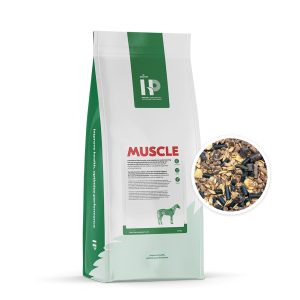
A specially formulated dietary feed containing vegetable fats, selected fiber sources, high-quality proteins, vitamins, and minerals. HP Muscle has been developed to support muscle metabolism and body condition. Particularly interesting as part of an adapted feeding program for horses with certain muscle metabolism disorders, recurrent exertional rhabdomyolysis, or difficulty maintaining their body weight.
Vitamin E, selenium, and antioxidant protection
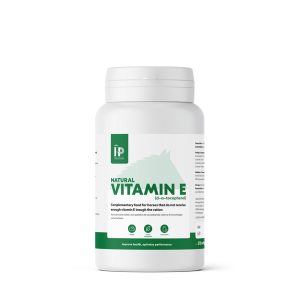
A supplement containing natural vitamin E in the form of d-alpha-tocopherol, without added selenium. Vitamin E plays an essential role in normal muscle and nerve function and the protection of cell membranes against oxidative stress. Particularly suitable for horses with increased vitamin E requirements, including performance horses primarily fed hay or haylage with limited access to fresh pasture.
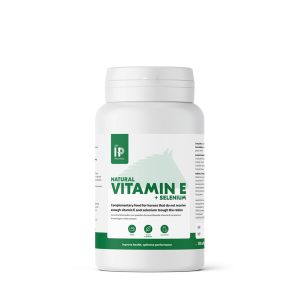
HP Natural Vitamin E + Selenium
A combination of natural vitamin E and organic selenium derived from selenium-enriched yeast. Both nutrients contribute to antioxidant protection and normal muscle function. Particularly relevant when the existing diet does not provide sufficient vitamin E and selenium. Since selenium is also supplied through concentrate feeds and mineral supplements, assessing the horse’s total selenium intake is important.
A powdered supplement containing vitamin E and selenium to support normal muscle function and antioxidant protection. It can be used when the daily diet does not provide sufficient amounts of these nutrients. A practical choice for horses requiring additional supplementation with both vitamin E and selenium.
Muscle metabolism and recovery after exercise
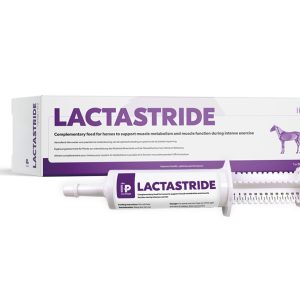
An antioxidant paste containing alpha-lipoic acid and Melofeed®, a melon extract containing antioxidant enzymes. Developed to provide nutritional support for muscle metabolism and the natural protection of muscle cells against oxidative stress during intensive exercise. The ready-to-use syringe makes administration particularly convenient around training sessions and competitions.
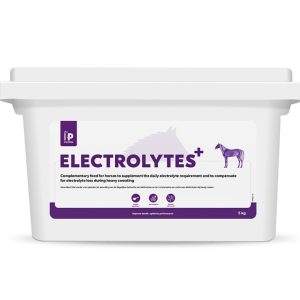
A comprehensive electrolyte supplement containing sodium, potassium, chloride, calcium, magnesium, and phosphorus, supplemented with the essential amino acids lysine and threonine and dextrose. Electrolytes are essential for normal muscle and nerve cell function. HP Electrolytes+ is particularly suitable for horses undergoing regular intensive training or experiencing substantial sweating during competitions, transportation, or hot weather.
Musculoskeletal support
A botanical supplement containing extracts of turmeric, yucca, white willow, and nettle. Sorexil primarily focuses on supporting normal joint function and mobility. It is particularly relevant for performance horses during demanding training periods and older horses requiring additional nutritional support for their musculoskeletal system.
Muscle development, muscle function, and recovery: What is the difference?
Not all muscle supplements serve the same purpose. When selecting a product, it is important to distinguish between muscle development, support for normal muscle function, and recovery after exercise.
Muscle development depends on an adequate supply of energy and high-quality protein, particularly essential amino acids such as lysine, threonine, and leucine. An appropriate training program is also necessary to stimulate muscle growth and development.
Muscle function requires sufficient amounts of nutrients such as vitamin E, selenium, magnesium, calcium, sodium, and potassium. These nutrients have different roles in energy production, muscle contraction, nerve signaling, and the protection of muscle cells.
Muscle recovery involves replenishing energy reserves, repairing muscle proteins, and regulating normal physiological responses to exercise. Adequate rest, energy, protein, and hydration are essential components of this process.
Targeted supplementation may provide valuable nutritional support when the regular diet does not adequately meet the horse’s individual requirements.
Advice from the equine veterinarian
As a veterinarian specializing in equine sports medicine, I pay particular attention to muscle function and metabolism in performance horses. Well-developed muscles contribute not only to athletic performance but also to the stability, coordination, and physical resilience of the musculoskeletal system.
My primary recommendation is to evaluate the balance between training, energy intake, and protein quality. Muscle development requires an adequate supply of essential amino acids. However, providing additional protein or amino acids does not automatically result in greater muscle mass when the regular diet already meets the horse’s requirements.
Vitamin E and selenium also deserve particular attention in performance horses. Both nutrients contribute to the protection of muscle cells against oxidative damage. Vitamin E is especially relevant for horses with limited access to fresh pasture, as the vitamin E content of forage decreases during drying and storage.
Care is particularly important with selenium. Horses require relatively small amounts, and excessive intake can be harmful. When additional vitamin E is needed without increasing selenium intake, I therefore prefer a supplement containing vitamin E without added selenium.
For horses experiencing recurrent exertional rhabdomyolysis or other muscle metabolism disorders, a specifically adapted feeding program may be necessary. Depending on the diagnosis, this can include adjustments to dietary starch and sugar, energy supplied through fats, and the structure of the training program.
Recovery after exercise is equally important. Following intensive training, energy and electrolyte losses must be replenished, and sufficient time must be allowed for muscle tissue to recover. A well-structured training program with adequate recovery periods remains essential.
When a horse repeatedly develops muscle stiffness, muscle pain, abnormal sweating, reduced performance, or episodes of exertional rhabdomyolysis, I recommend a targeted veterinary examination. Depending on the clinical signs, diagnostic procedures may include measuring muscle enzymes such as creatine kinase (CK) and aspartate aminotransferase (AST), genetic testing, or a muscle biopsy.
Appropriate muscle support starts with an accurate diagnosis, a balanced diet, and a suitable training program.Targeted nutritional supplements can complement this foundation and help support normal muscle function during training, competitions, and recovery.
