



Concentrate feed for horses provides targeted nutritional support for horses with specific dietary requirements. In addition to conventional concentrates, specialized dietary feeds are available to support digestive health, muscle metabolism, body condition, and weight management. Explore our carefully selected range of Health & Performance feeds containing dietary fiber, carefully selected energy and protein sources, essential vitamins, and minerals. From specialized nutrition for horses with digestive problems to adapted feeding programs for performance horses and overweight horses.
Showing all 5 results
Concentrate feed and specialized dietary nutrition for horses
A balanced diet is essential for the health, physical condition, and athletic performance of horses. Forage should always form the foundation of the daily diet. Depending on workload, body condition, and health status, additional feed may be necessary to meet energy and nutritional requirements.
However, not every horse requires the same type of concentrate feed. While performance horses may need additional energy and high-quality protein, horses with obesity, muscle metabolism disorders, or sensitive digestive systems may benefit from specially adapted feed formulations.
At Sportpaardenarts.nl, you will find specialized concentrate feeds and dietary nutrition for horses from Health & Performance. These feeds have been developed to meet specific nutritional requirements, with particular attention to dietary fiber, energy sources, protein quality, vitamins, and minerals.
Which concentrate feed is right for your horse?
Our selection includes five products, each with a specific nutritional application.
Concentrate feed for digestive health
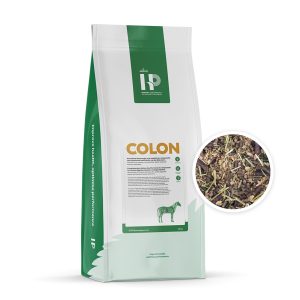
HP Colon (formerly Bonpard Colon)
A fiber-rich dietary feed containing selected plant-based fiber sources and live yeast cultures. HP Colon has been developed to support microbial fermentation in the cecum and large intestine. Particularly interesting as part of an adapted feeding program for horses experiencing chronic digestive problems, poorly digested manure, recurring free fecal water, or loose stools.
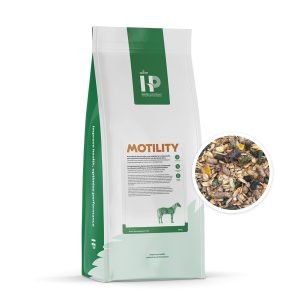
HP Motility (formerly Bonpard Motility)
A specially formulated dietary feed containing selected fiber sources, highly digestible ingredients, and live yeast cultures. HP Motility contains fibers with water-binding properties and has been developed to support normal intestinal transit. Particularly relevant for horses susceptible to hard manure, slow intestinal transit, or recurrent intestinal impactions.
Concentrate feed for muscle function and body condition
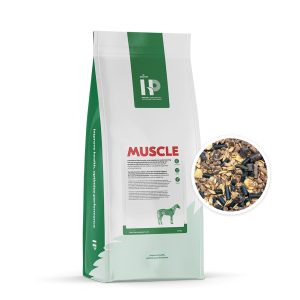
HP Muscle (formerly Bonpard Muscle)
A specialized dietary feed containing vegetable fats, high-quality protein sources, and selected dietary fibers, supplemented with vitamins and minerals. HP Muscle supports muscle metabolism and energy supply and may form part of an adapted feeding program for horses with certain muscle metabolism disorders, recurrent exertional rhabdomyolysis, or difficulty maintaining their body weight.
Concentrate feed for overweight horses
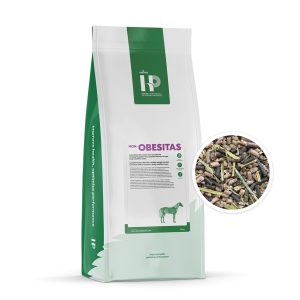
HP Non-Obesitas (formerly Bonpard Non-Obesitas)
A high-fiber, protein-rich complementary feed with relatively low energy density and reduced starch and sugar content. HP Non-Obesitas has been developed to support controlled weight loss in overweight horses and ponies. Its formulation contains high-quality proteins and essential vitamins and minerals to help maintain muscle mass and adequate nutritional intake during a carefully managed weight-loss program.
Vitamins and minerals for forage-based diets
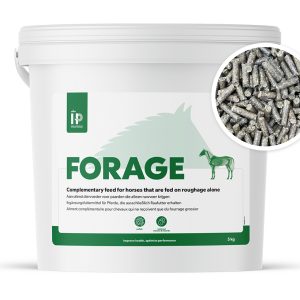
HP Forage (formerly Bonpard Forage)
A concentrated vitamin and mineral supplement for horses whose diets consist primarily of hay, haylage, or pasture, with little or no concentrate feed. HP Forage provides important nutrients, including vitamin E, copper, zinc, and selenium. Rather than supplying substantial additional energy, this product is designed to complement forage-based diets with essential micronutrients.
Why choose specialized concentrate feed?
Conventional concentrate feeds often provide a considerable proportion of their energy through cereal grains and starch. This can be appropriate for horses with increased energy requirements, but it is not necessarily the best choice for every horse.
Fiber-rich dietary feeds contain carefully selected fiber sources that support normal microbial fermentation in the large intestine. Their composition can be adapted to specific requirements, such as sensitive intestinal function or changes in manure consistency.
Fat-enriched concentrate feeds may be particularly interesting when additional dietary energy is required without relying exclusively on larger quantities of starch-rich grains. For certain muscle metabolism disorders, adjusting the balance between starch, sugar, fat, and fiber forms an important part of nutritional management.
Energy-restricted dietary feeds are primarily intended for overweight horses. In these cases, energy intake should be reduced while maintaining adequate supplies of high-quality protein, vitamins, minerals, and dietary fiber.
The need for additional vitamins and minerals also varies between horses. When good-quality forage provides sufficient energy and protein, targeted vitamin and mineral supplementation may be adequate without the need for conventional concentrate feed.
The importance of an appropriate forage-based diet
A well-balanced feeding program always begins with suitable forage. The quality, nutritional composition, and quantity of hay, haylage, or pasture largely determine whether additional feed is necessary.
For horses with specific nutritional requirements, the complete diet should therefore be evaluated. Replacing conventional concentrates with specialized dietary feeds is most effective when forage quality, daily feeding amounts, and training management are also taken into account.
Any dietary changes should be introduced gradually, allowing the intestinal microbiota and digestive system sufficient time to adapt to the new feed composition.
Advice from the equine veterinarian
As a veterinarian specializing in equine sports medicine, I consider nutrition an essential component of equine health and athletic performance. My primary recommendation is to select concentrate feed according to the horse’s actual nutritional requirements, rather than relying solely on its training level.
For horses with digestive problems, muscle metabolism disorders, or obesity, specialized dietary feeds can be a valuable part of nutritional management. However, the most appropriate choice depends on the underlying diagnosis, body condition, and composition of the forage.
Horses receiving sufficient energy from forage do not necessarily require additional concentrate feed. In these cases, a targeted vitamin and mineral supplement may be a more appropriate option.
I therefore recommend evaluating the complete diet and adjusting concentrate feed according to body weight, body condition, workload, and any underlying medical conditions.
