



Vitamins for horses are essential for normal muscle function, metabolism, immune function, and overall health. Depending on their diet, age, and training workload, horses may benefit from additional vitamin and mineral supplementation. Explore our carefully selected range of supplements containing natural vitamin E, vitamin E with selenium, vitamin C, and comprehensive vitamin and mineral blends. From targeted nutritional support for performance horses to daily supplementation of forage-based diets.



Showing all 7 results
Vitamins and minerals for horses
Vitamins and minerals are essential nutrients involved in nearly every physiological process in the horse’s body. They play important roles in muscle function, energy metabolism, immune function, bone development, and protecting cells against oxidative stress.
Horses obtain these nutrients primarily from pasture, forage, and concentrate feeds. However, dietary intake is not always sufficient. The nutritional composition of forage can vary considerably, while certain vitamins gradually deteriorate during drying and storage. Nutritional requirements may also change depending on age, training intensity, and health status.
Vitamin supplements for horses can help complement the daily diet with specific nutrients without unnecessarily increasing energy intake.
Which vitamin supplement is right for your horse?
Our selection includes both comprehensive vitamin and mineral supplements and products containing specific vitamins.
Daily vitamin and mineral supplementation
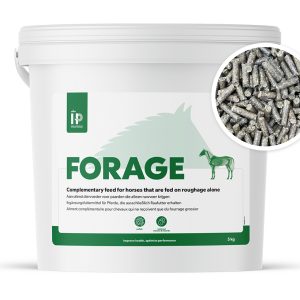
HP Forage (formerly Bonpard Forage)
A comprehensive vitamin and mineral supplement for horses whose diets consist primarily of forage, with little or no concentrate feed. HP Forage contains essential nutrients, including vitamin A, vitamin E, B vitamins, copper, zinc, and selenium. Particularly suitable for recreational horses, ponies, and horses in light work whose forage provides sufficient energy but whose vitamin and mineral intake requires additional attention.
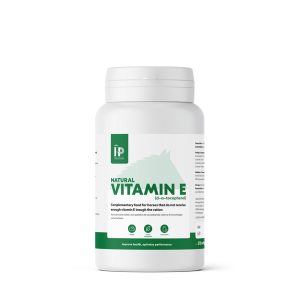
Vitamin E for muscles and the nervous system
A supplement containing natural vitamin E in the form of d-alpha-tocopherol, without added selenium. Vitamin E plays an essential role in normal muscle and nerve function and helps protect cell membranes against oxidative stress. Particularly suitable for horses with limited access to fresh pasture or increased vitamin E requirements. The convenient softgels allow targeted vitamin E supplementation without simultaneously increasing selenium intake.
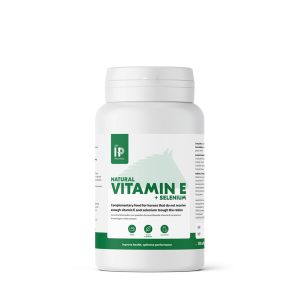
HP Natural Vitamin E + Selenium
A combination of natural vitamin E and organic selenium from selenium-enriched yeast. Both nutrients are involved in antioxidant protection and normal muscle function. This product is particularly relevant when the existing diet does not provide sufficient vitamin E and selenium. Because selenium has a relatively narrow safety margin, evaluating the horse’s total selenium intake is essential before supplementation.
A powdered complementary feed containing vitamin E and selenium. These nutrients support normal muscle function and help protect cells against oxidative damage. A practical option when the diet provides insufficient amounts of both vitamin E and selenium and additional supplementation is appropriate.
Vitamins and immune system support
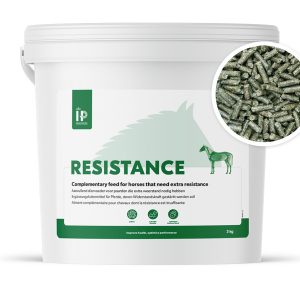
HP Resistance (formerly Bonpard Resistance)
A nutritional supplement containing vitamins, trace elements, omega-3 fatty acids from algae (DHA Gold®), and beta-1,3/1,6-glucans (MacroGard®). The formula has been developed to provide nutritional support for normal immune function. Particularly interesting for horses with increased nutritional requirements during intensive training, recovery, or other periods of increased physiological demands.
Vitamin C
A powdered product containing ascorbic acid (vitamin C). Vitamin C contributes to antioxidant protection, collagen synthesis, and normal immune function. Healthy horses can synthesize vitamin C in their liver, making routine supplementation generally unnecessary. Additional vitamin C may be considered in specific circumstances when supported by veterinary assessment. Vitasol-C is not registered for use in horses and should therefore only be administered following veterinary advice.
Which vitamins are important for horses?
Vitamins are divided into fat-soluble and water-soluble vitamins.
Fat-soluble vitamins (A, D, E, and K) can be stored in the body to varying degrees. They are involved in normal vision, bone metabolism, blood clotting, and protection against oxidative stress. Vitamin E deserves particular attention in horses with limited access to fresh pasture.
Water-soluble vitamins (B vitamins and vitamin C) are involved in numerous metabolic processes. Many B vitamins are produced by microorganisms in the horse’s digestive tract. Healthy horses can also synthesize vitamin C, so additional supplementation is not routinely required.
Minerals and trace elements, including copper, zinc, and selenium, are equally important. They support normal immune function, metabolism, muscle function, and the maintenance of healthy body tissues.
When does a horse need additional vitamins?
Whether vitamin supplementation is beneficial depends primarily on the complete diet and the horse’s individual nutritional requirements.
Horses receiving mostly hay or haylage with limited access to fresh pasture may require particular attention to their vitamin E intake. Horses receiving little or no fortified concentrate feed may also benefit from a balanced vitamin and mineral supplement.
Intensive training, growth, aging, and certain health conditions may provide additional reasons to reassess the horse’s nutritional requirements.
However, providing more vitamins does not automatically improve health or performance. Excessive intakes of certain fat-soluble vitamins and trace elements can be harmful. Supplements should therefore be selected according to the nutrients already supplied by the daily diet.
Advice from the equine veterinarian
As a veterinarian specializing in equine sports medicine, I recommend selecting vitamin supplements according to the horse’s diet, training workload, and individual health status.
In performance horses, I pay particular attention to vitamin E, especially when access to fresh pasture is limited. This vitamin is essential for normal muscle and nerve function. When additional vitamin E is needed without increasing selenium intake, I prefer a supplement without added selenium.
For horses fed primarily forage, a comprehensive vitamin and mineral supplement such as HP Forage can be a practical choice. It is important to account for nutrients already supplied through fortified feeds and other supplements.
When a vitamin or mineral deficiency is suspected, I recommend evaluating the complete diet and performing targeted blood tests when appropriate. This allows supplementation to be tailored to the horse’s actual requirements while avoiding unnecessary or excessive dosages.
